Paramedical Sciences
Professional healthcare training programs that support diagnostic, clinical, and technical services in modern healthcare systems.
Program Overview
Paramedical sciences play an essential role in the healthcare system by supporting medical professionals in diagnosis, treatment, and patient care. The Paramedical programs offered by YSS Education are designed to prepare students for specialized technical roles in hospitals, diagnostic laboratories, and healthcare institutions.
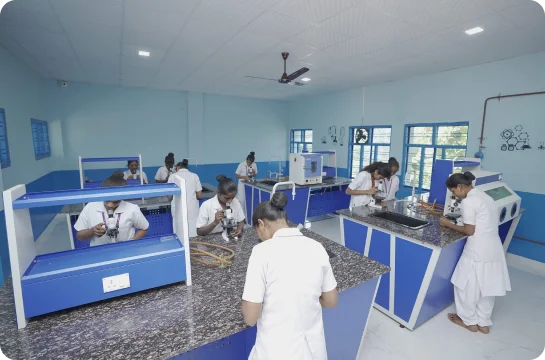
These programs combine theoretical knowledge with practical training to help students develop the technical skills required for healthcare services. Students gain exposure to modern diagnostic methods, clinical procedures, and healthcare technologies used in hospitals and medical laboratories.
Through structured academic learning and practical training, the paramedical programs prepare students to work alongside doctors, nurses, and other healthcare professionals in delivering quality healthcare services.
Course Duration
The duration of paramedical programs may vary depending on the specialization.
Most paramedical diploma programs typically range between 1 to 2 years, including academic study and practical training.
Specialized Programs Offered
DMLT – Medical Laboratory Technology
Focuses on laboratory testing and diagnostic procedures. Students learn laboratory techniques, sample analysis, and diagnostic testing methods.
DOT & AT – Operation Theatre & Anaesthesia
Trains students to assist surgeons. Includes operation theatre management, sterilization, and anaesthesia support.
DMIT – Medical Imaging Technology
Focuses on diagnostic imaging. Students learn to operate imaging equipment and assist in medical diagnosis procedures.
DHI – Health Inspector
Focuses on public health and sanitation. Includes disease prevention, environmental health, and community programs.
DMRT – Medical Record Technology
Prepares students for managing medical records, healthcare documentation systems, and patient data management.
Course Highlights
- Specialized technical healthcare education
- Practical training in diagnostic and clinical support services
- Exposure to healthcare technologies and hospital procedures
- Training designed to support modern healthcare systems
- Career-oriented healthcare education
Eligibility Criteria
- Completion of 10+2 with Physics, Chemistry, and Biology from a recognized board
- Candidates must satisfy the eligibility requirements applicable to the specific paramedical program
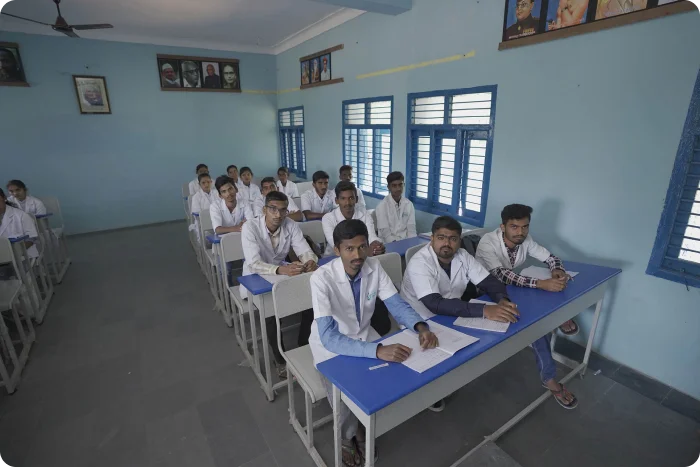
Practical Training & Laboratory Exposure
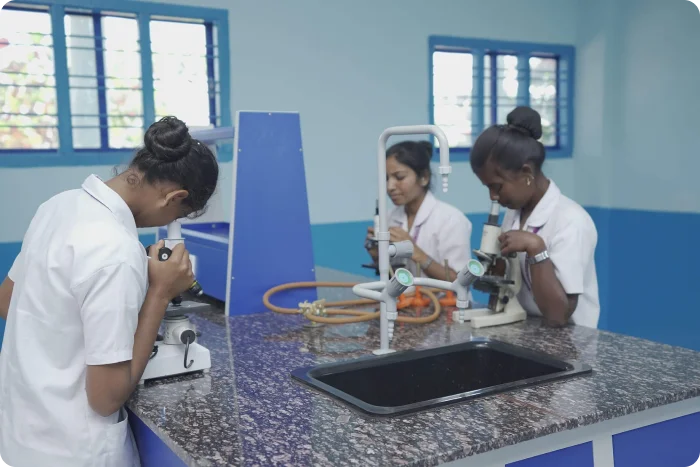
Paramedical education emphasizes practical learning and hands-on training. Students receive training through laboratory sessions, technical demonstrations, and exposure to healthcare procedures used in hospitals and diagnostic centers.
Growing Demand in Healthcare
The healthcare industry increasingly relies on skilled paramedical professionals to support diagnosis, treatment, and healthcare management. With the expansion of hospitals and diagnostic centers, trained professionals are in strong demand across the healthcare sector.
These programs provide students with the skills required to build stable and rewarding careers in healthcare support services.
Career Opportunities
Graduates of paramedical programs can work in hospitals, diagnostic laboratories, and research facilities in roles such as:
Start Your Career in Healthcare
Paramedical education provides an opportunity to build a professional career in healthcare services through specialized technical training. Students interested in diagnostic healthcare and clinical support can begin their journey today.